 Liverpool5
 Manchester United5
 Chelsea3
 Everton3
 Manchester City3
 Arsenal2
 Blackburn Rovers2
 Newcastle United2
 Aston Villa1
 Bolton Wanderers1
 Brighton & Hove Albion1
 Charlton Athletic1
 Hull City1
 Ipswich Town1
 Leeds United1
 Nottingham Forest1
 Reading FC1
 Southampton1
 West Ham United1
 Wigan Athletic1
 Celtic3
 Rangers2
 Bayern Munich3
 Borussia Dortmund2
 1. FC Kaiserslautern1
 Bayer Leverkusen1
 Hertha BSC1
 TSV 1860 Monachium1
 VfL Wolfsburg1
 Inter Milan3
 AC Milan2
 Catania Calcio1
 Juventus1
 Perugia1
 Barcelona4
 Real Madrid4
 Valencia CF2
 Atletico Madrid1
 Celta Vigo1
 Getafe CF1
 Paris Saint-Germain2
 Olympique Marseille1
 Ajax1
 Benfica1
 Bohemian FC Dublin1
 Club Brugge1
 Feyenoord1
 Grasshoppers Zurich1
 Melbourne City FC1
 Real Betis1
 Sporting CP1
 Swindon Town1
 VfB Stuttgart1
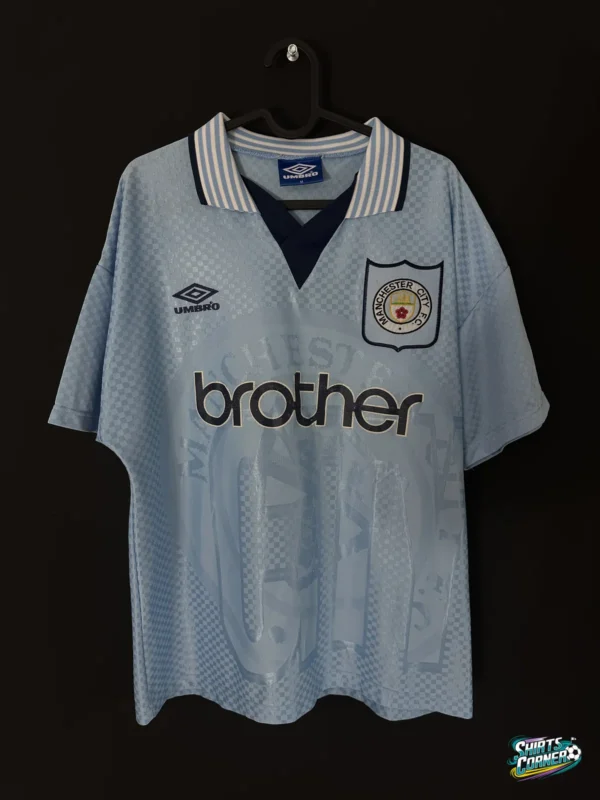 Manchester City 1996/97 Home Shirt Umbro429 zł
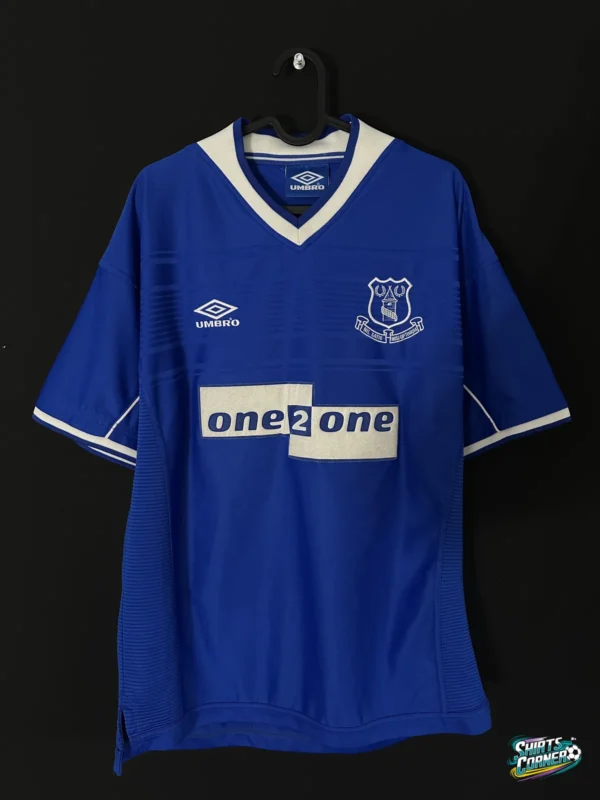 Everton FC 1999/2000 Home Shirt Umbro349 zł
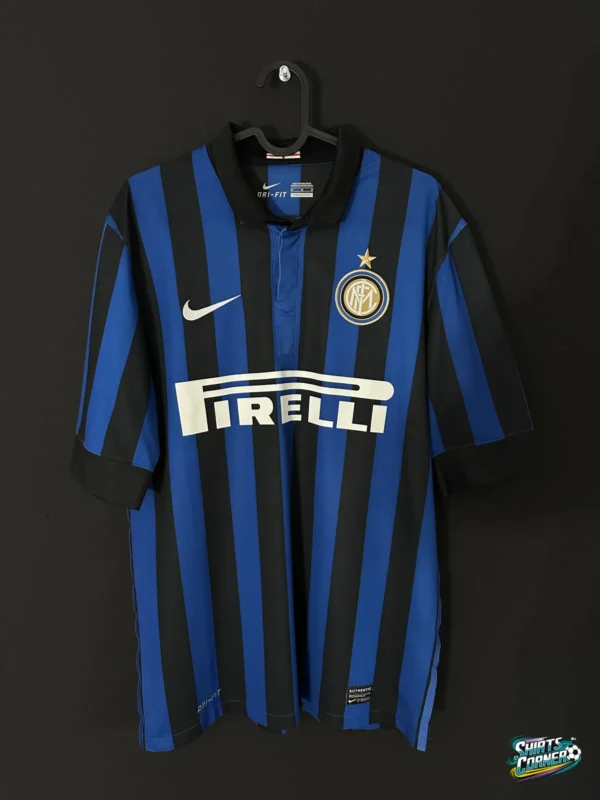 Inter Milan 2011/12 Home Shirt Nike319 zł
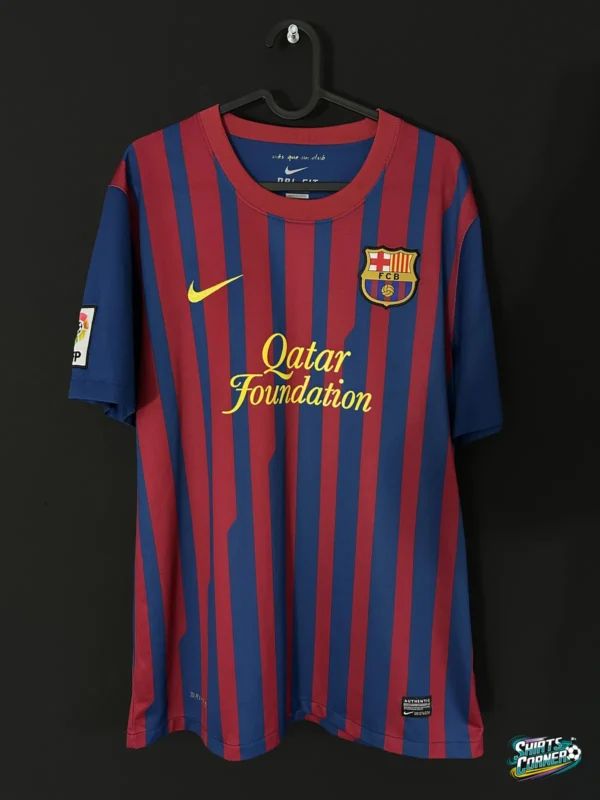 FC Barcelona 2011/12 Home Shirt Nike299 zł
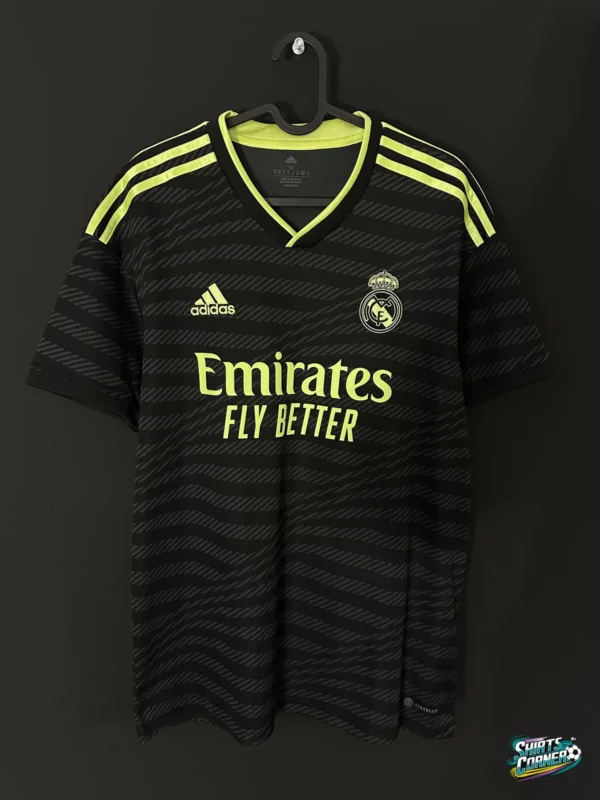 Real Madrid 2022/23 Third Shirt adidas279 zł
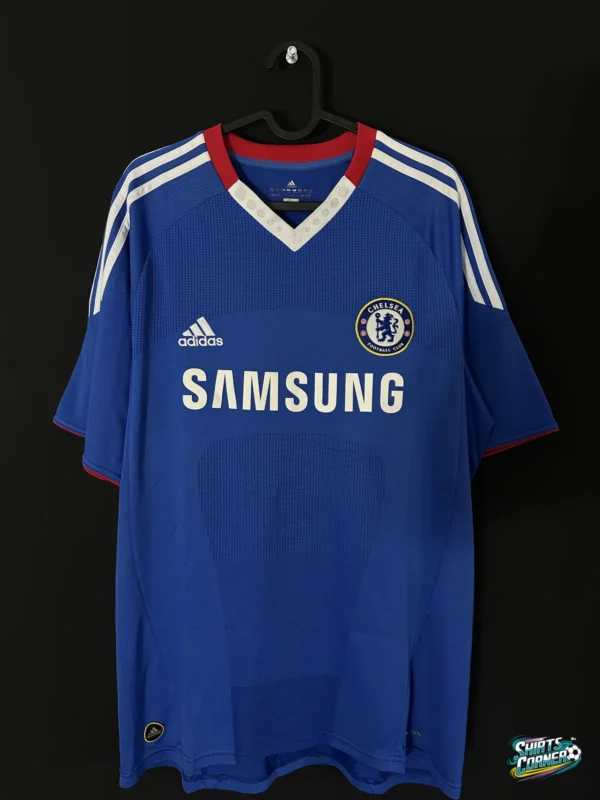 Chelsea FC 2010/11 Home Shirt adidas279 zł
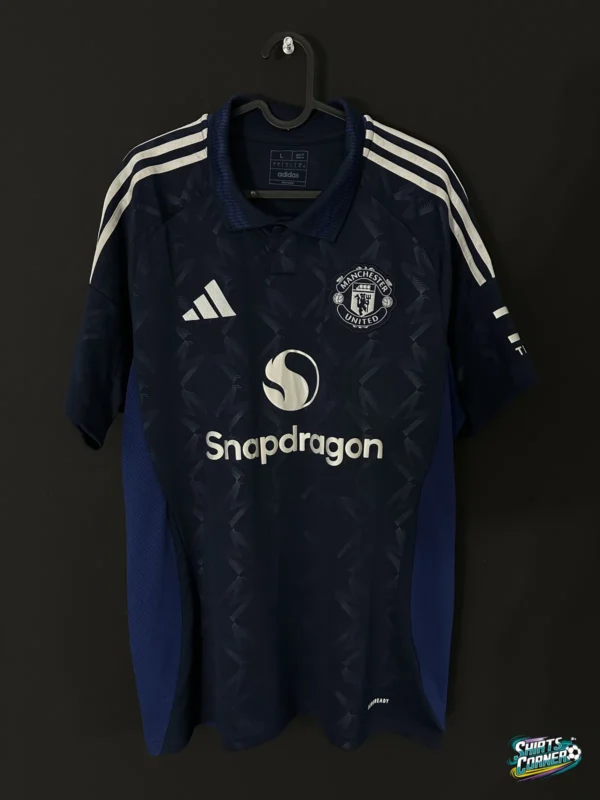 Manchester United 2024/25 Away Shirt adidas279 zł
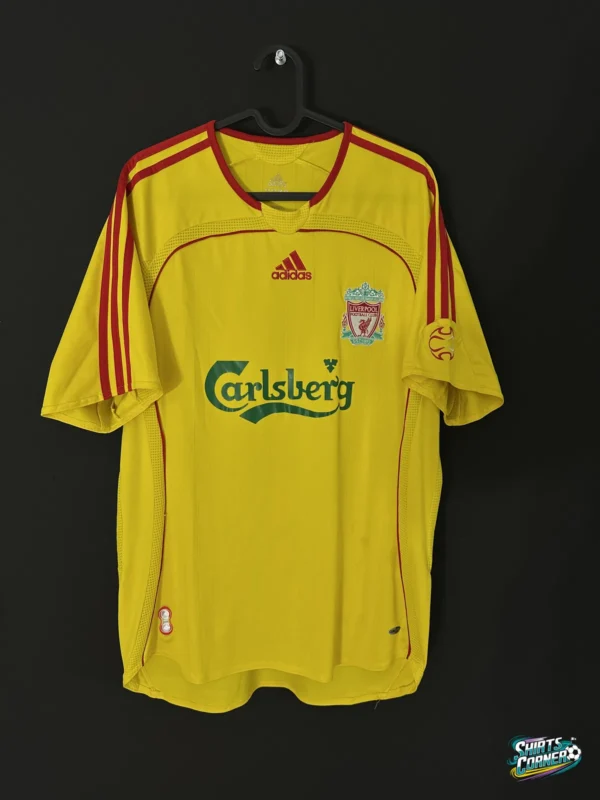 Liverpool FC 2006/07 Away Shirt adidas269 zł
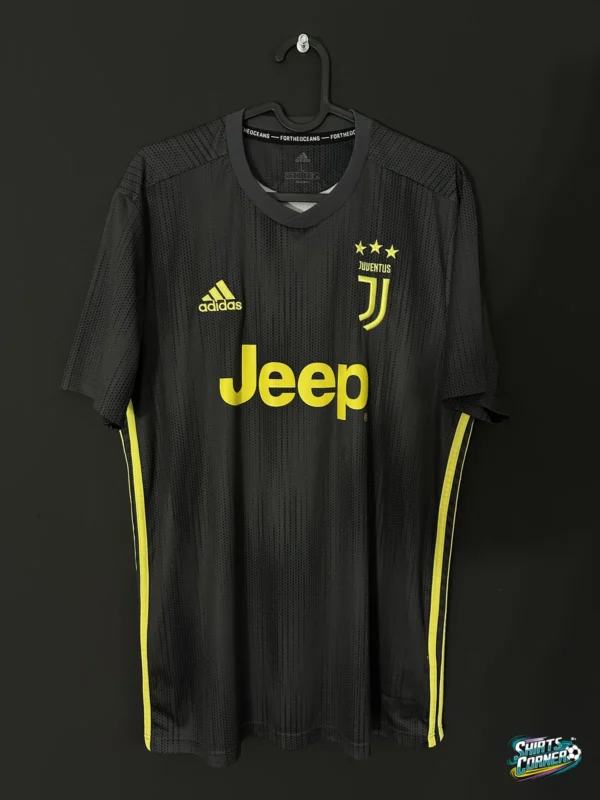 Juventus 2018/19 Third Shirt adidas249 zł
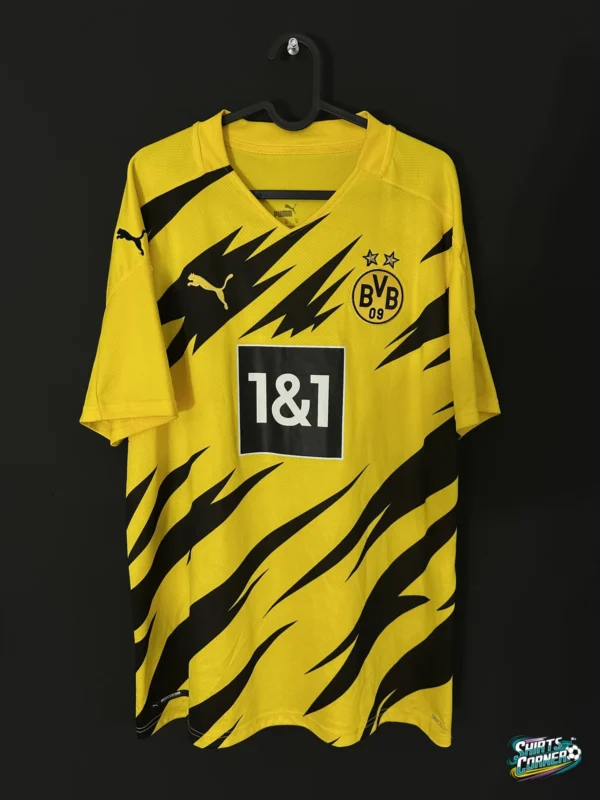 Borussia Dortmund 2020/21 Home Shirt Puma249 zł
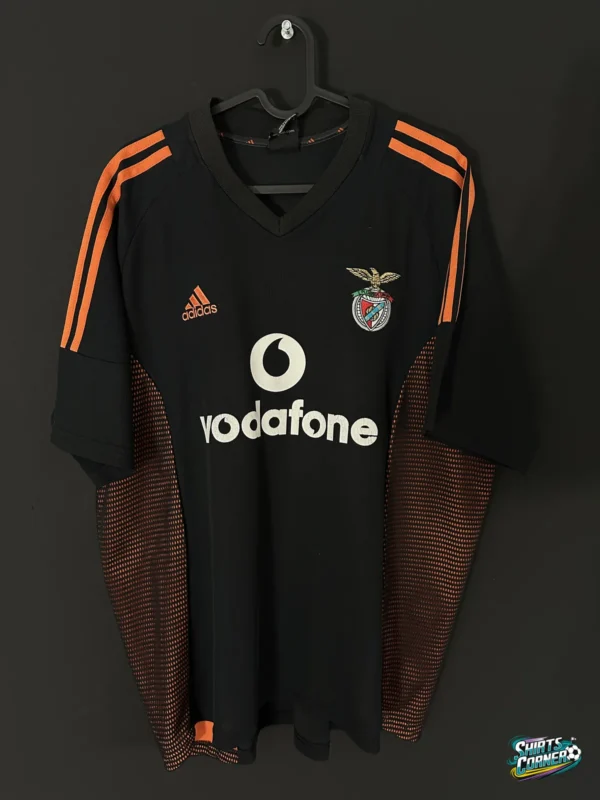 Benfica 2002/03 Away Shirt adidas249 zł
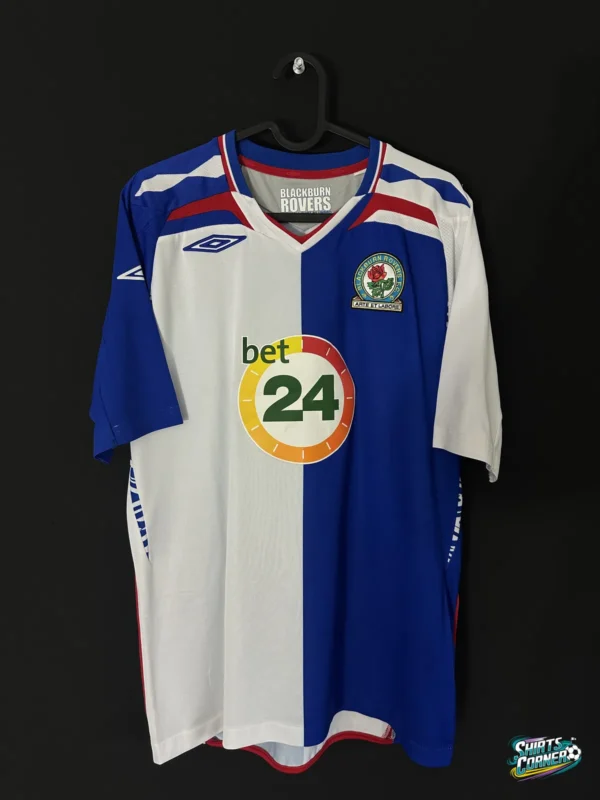 Blackburn Rovers 2007/08 Home Shirt Umbro229 zł
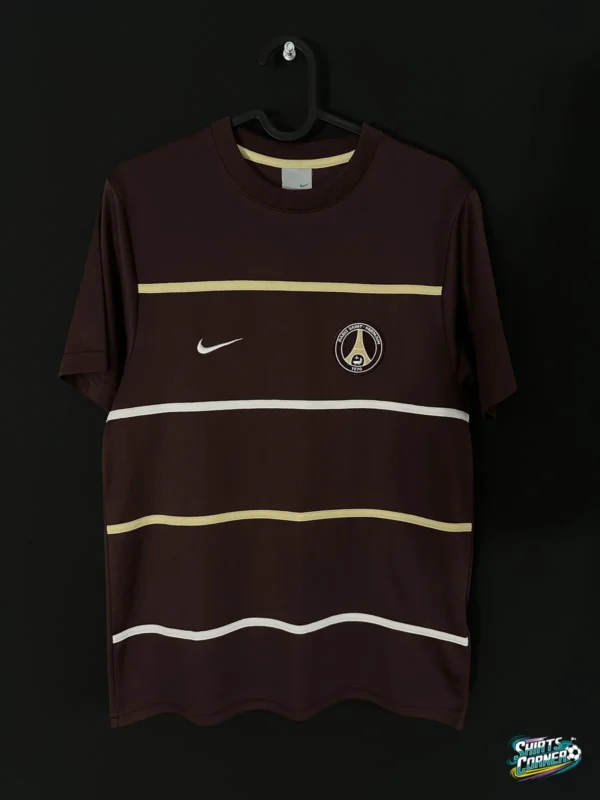 Paris Saint-Germain 2006/07 Training Shirt Nike199 zł
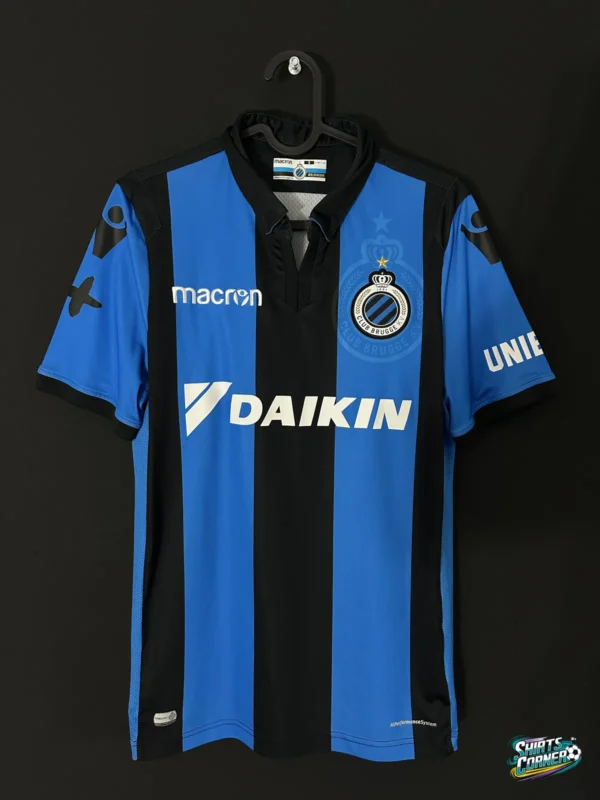 Club Brugge 2018/19 Home Shirt Macron199 zł
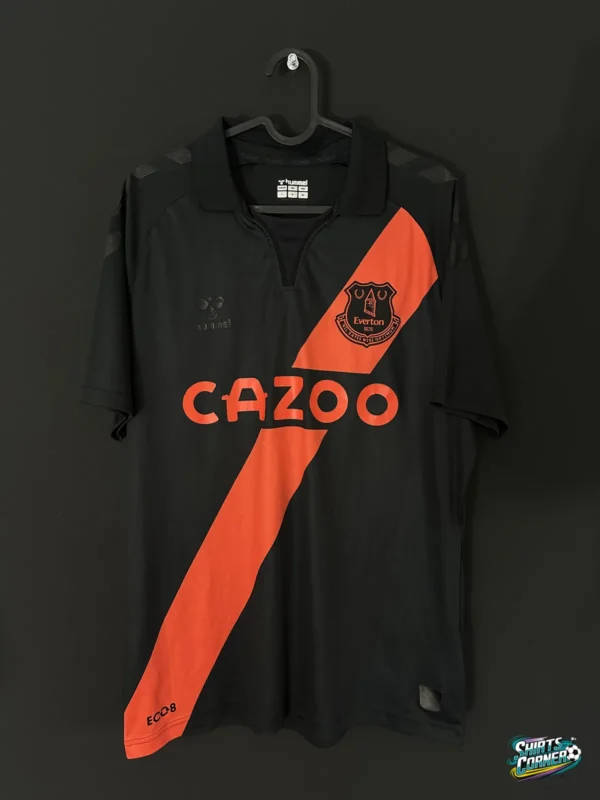 Everton FC 2021/22 Away Shirt hummel179 zł
A red shirt, sometimes a white collar, and a devil with a trident on the crest. That has been Manchester United for over a century, and it all began with a team of railway workers and one stubborn kit myth. Here is where the red came from, who has made United's shirts since the 1970s, how the chest sponsors changed, and four shirts from our rail, one from each major era.
The club was founded in 1878 as Newton Heath, a works team of the Lancashire and Yorkshire Railway. The popular story says they played in green and gold halves, and those colours still turn up on supporters' scarves and special edition shirts. United's own history writers, though, say they have never found evidence for that design and that green and gold was a short-lived episode. In 1887/88 the club registered red and white halves. In April 1902, after financial trouble and a rescue by a new owner, it became Manchester United and moved to red shirts.
The Red Devils nickname only arrived in the 1960s. The most common version credits Matt Busby with borrowing it from the rugby league side in nearby Salford, who had been called the red devils in France. The devil with the trident later made it onto the club crest, where it still is.
Admiral made the shirts from 1975 to 1980, followed by twelve years of adidas. Umbro arrived in 1992 and stayed for a decade, right through Ferguson's golden years. Nike took over in 2002 and stayed until 2015, and since 2015/16 United have been back with adidas. Each era has its own feel: Umbro means simple collars and tonal patterns, Nike means chevrons and bold experiments, and the new adidas years keep digging into the archive.
The first chest sponsor was Sharp, from 1982 to 2000, the name everyone links with United in the 1990s. Then came Vodafone (2000 to 2006), AIG (2006 to 2010), Aon (2010 to 2014), Chevrolet (2014 to 2021) and TeamViewer (2021 to 2024). Since 2024/25 the front has carried Snapdragon. For collectors that is the quickest dating tool there is: the sponsor alone narrows a United shirt down to a few seasons.
The 2009/10 Nike home shirt is deep red with a black chevron across the chest and AIG in big letters. It was AIG's last season on the shirt and United's first without Cristiano Ronaldo, the year Wayne Rooney carried the team with 34 goals in all competitions.
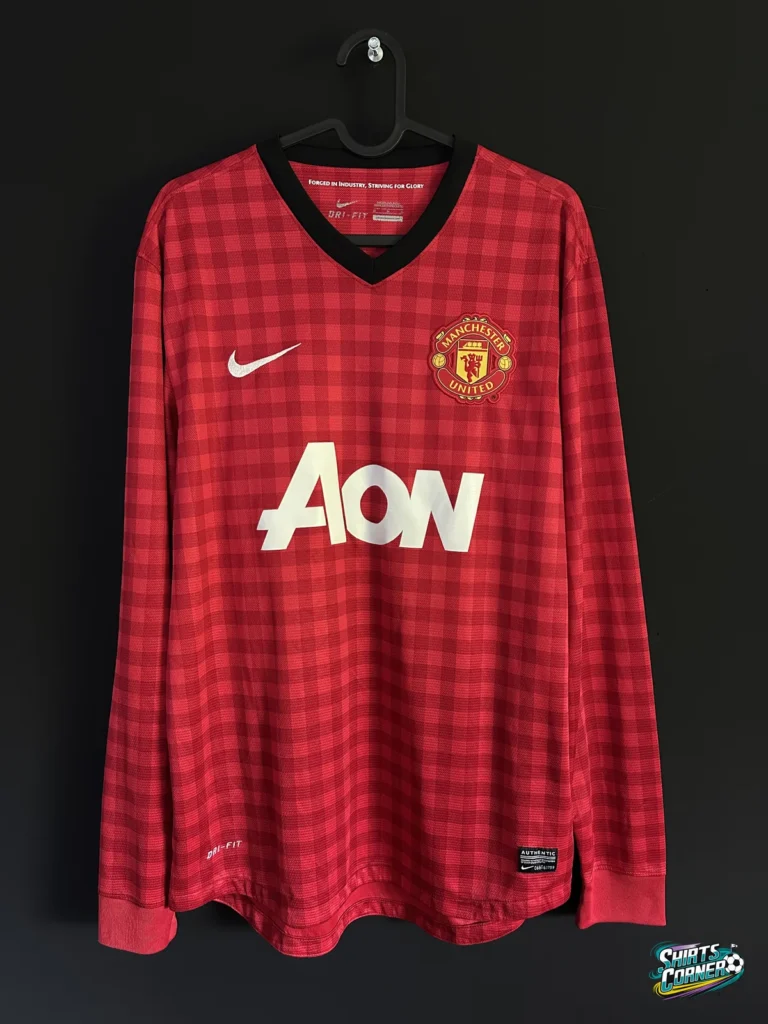
The 2012/13 Nike home shirt is red gingham from collar to hem, a nod to Manchester's cotton history. Fans still argue about it, and it is the shirt United won their 20th English title in, Ferguson's last. Ours is the long-sleeve version.
The 2015/16 adidas training top comes from the first season back with adidas and flips the colours: blue base, red stripes. It is the season Marcus Rashford burst out of the academy.
The 2021/22 adidas away shirt is white with a blue pattern that nods to the away shirt of 1990 to 1992, with TeamViewer on the front. It is from the season Cristiano Ronaldo returned to Old Trafford. Why the number seven means so much at United is part of Football shirt numbers: what they mean and where they came from.
All of them are in the Manchester United shirts category, with the rest of England under Premier League.
The nickname caught on in the 1960s. The usual story is that Matt Busby borrowed it from the rugby league side in nearby Salford. The devil later appeared on the club crest.
Admiral (1975 to 1980), adidas (1980 to 1992), Umbro (1992 to 2002), Nike (2002 to 2015) and adidas again since 2015/16.
Sharp (1982 to 2000), Vodafone (2000 to 2006), AIG (2006 to 2010), Aon (2010 to 2014), Chevrolet (2014 to 2021), TeamViewer (2021 to 2024) and Snapdragon from 2024/25.


