
 Liverpool5
 Manchester United5
 Chelsea3
 Everton3
 Manchester City3
 Arsenal2
 Blackburn Rovers2
 Newcastle United2
 Aston Villa1
 Bolton Wanderers1
 Brighton & Hove Albion1
 Charlton Athletic1
 Hull City1
 Ipswich Town1
 Leeds United1
 Nottingham Forest1
 Reading FC1
 Southampton1
 West Ham United1
 Wigan Athletic1
 Celtic3
 Rangers2
 Bayern Munich3
 Borussia Dortmund2
 1. FC Kaiserslautern1
 Bayer Leverkusen1
 Hertha BSC1
 TSV 1860 Monachium1
 VfL Wolfsburg1
 Inter Milan3
 AC Milan2
 Catania Calcio1
 Juventus1
 Perugia1
 Barcelona4
 Real Madrid4
 Valencia CF2
 Atletico Madrid1
 Celta Vigo1
 Getafe CF1
 Paris Saint-Germain2
 Olympique Marseille1
 Ajax1
 Benfica1
 Bohemian FC Dublin1
 Club Brugge1
 Feyenoord1
 Grasshoppers Zurich1
 Melbourne City FC1
 Real Betis1
 Sporting CP1
 Swindon Town1
 VfB Stuttgart1
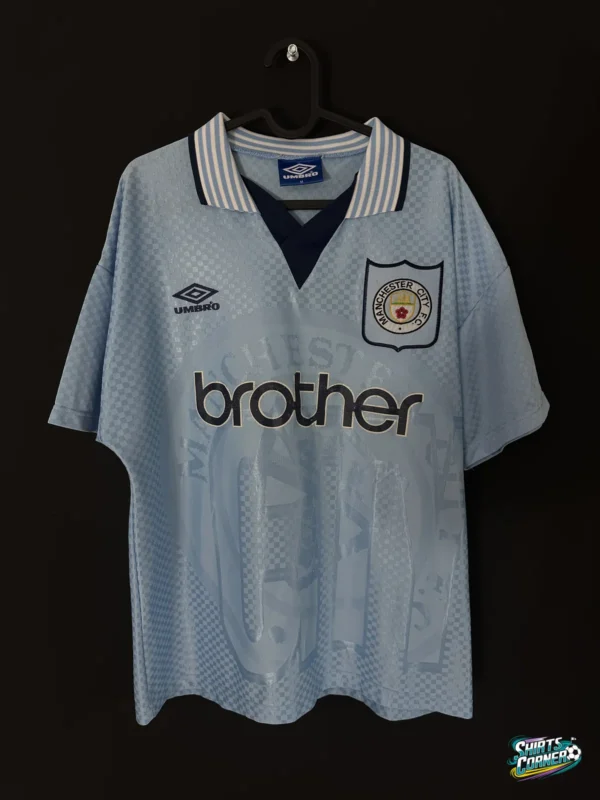 Manchester City 1996/97 Home Shirt Umbro429 zł
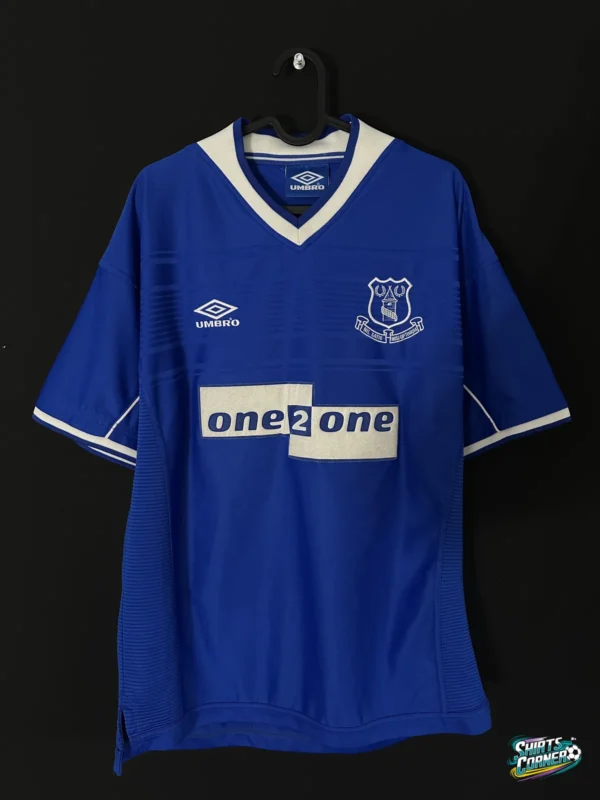 Everton FC 1999/2000 Home Shirt Umbro349 zł
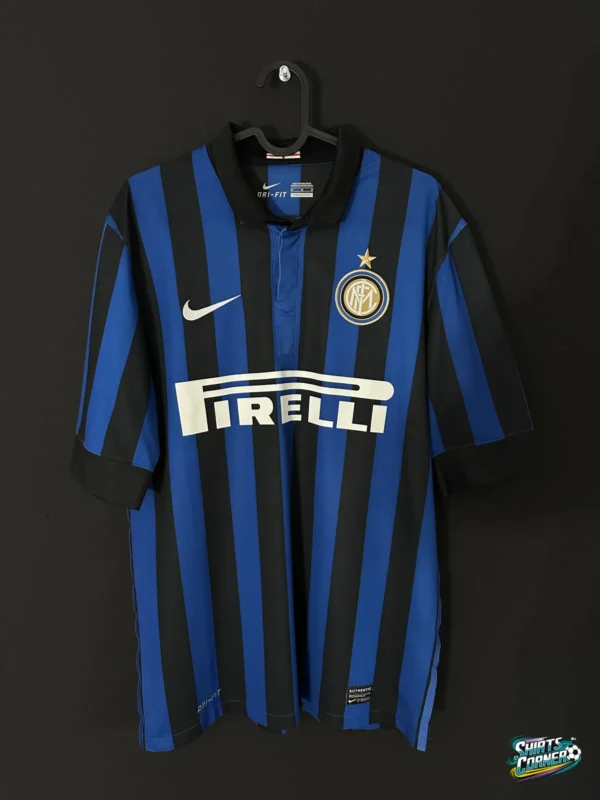 Inter Milan 2011/12 Home Shirt Nike319 zł
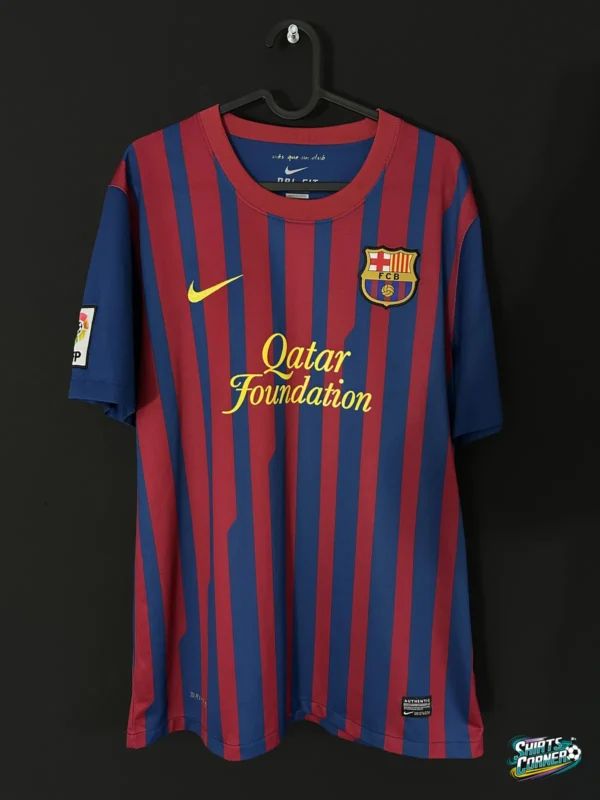 FC Barcelona 2011/12 Home Shirt Nike299 zł
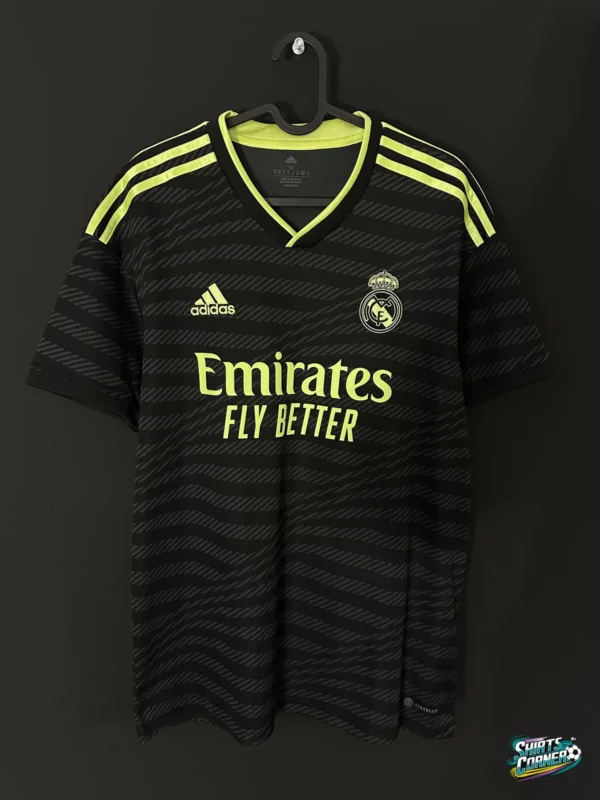 Real Madrid 2022/23 Third Shirt adidas279 zł
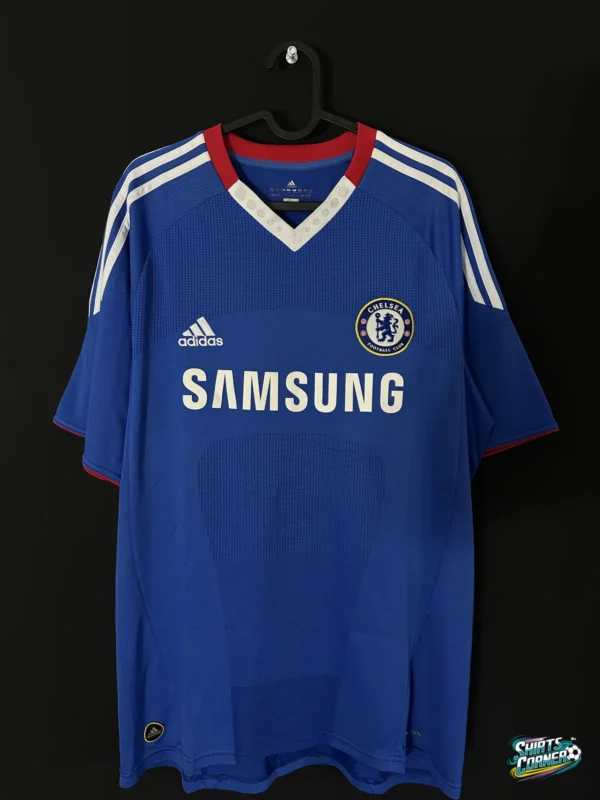 Chelsea FC 2010/11 Home Shirt adidas279 zł
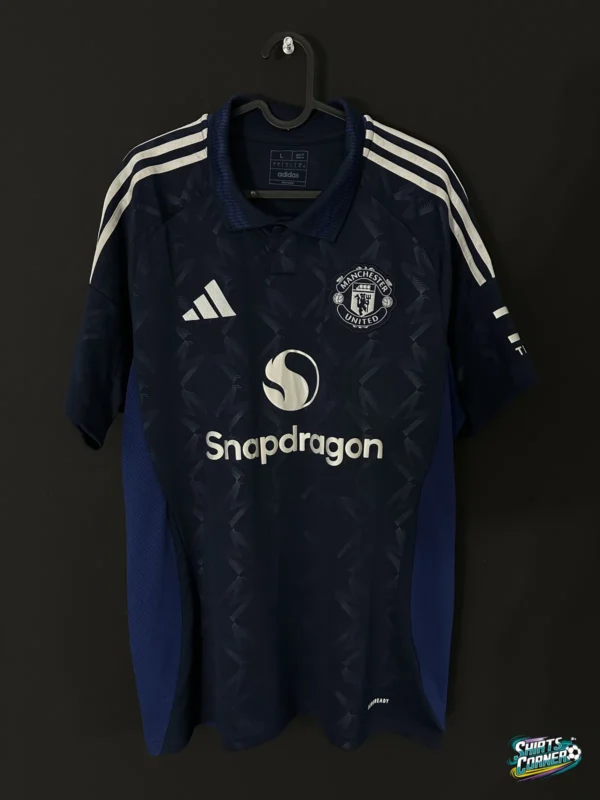 Manchester United 2024/25 Away Shirt adidas279 zł
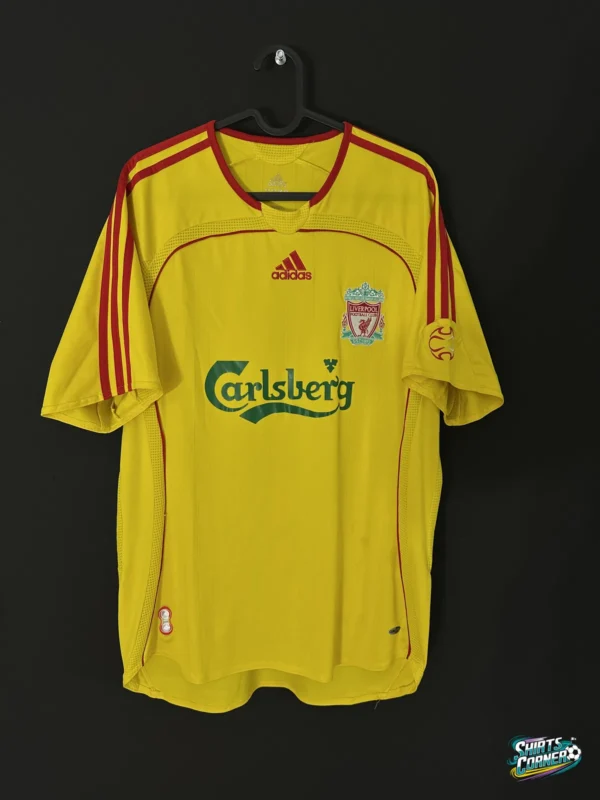 Liverpool FC 2006/07 Away Shirt adidas269 zł
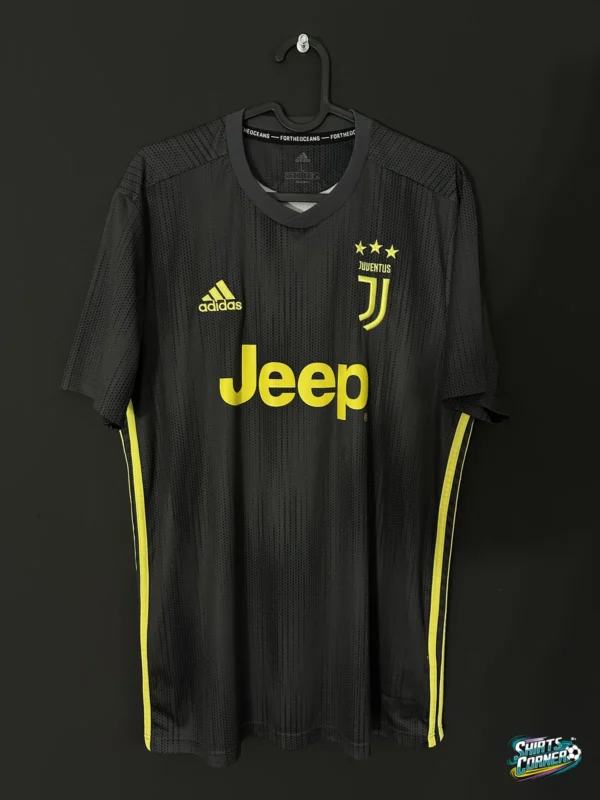 Juventus 2018/19 Third Shirt adidas249 zł
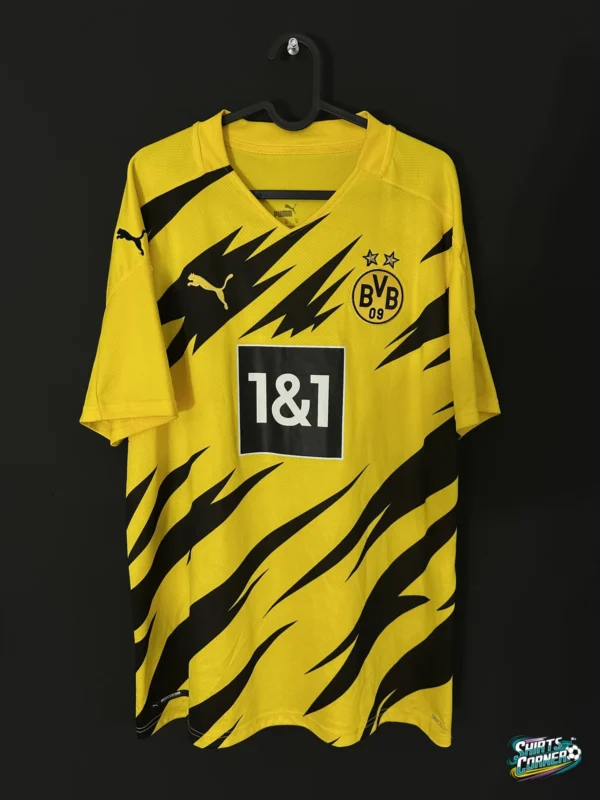 Borussia Dortmund 2020/21 Home Shirt Puma249 zł
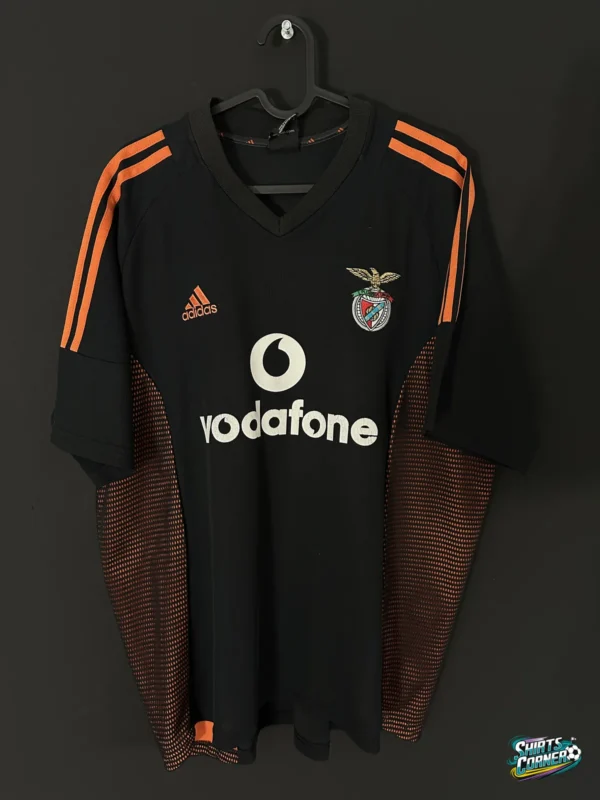 Benfica 2002/03 Away Shirt adidas249 zł
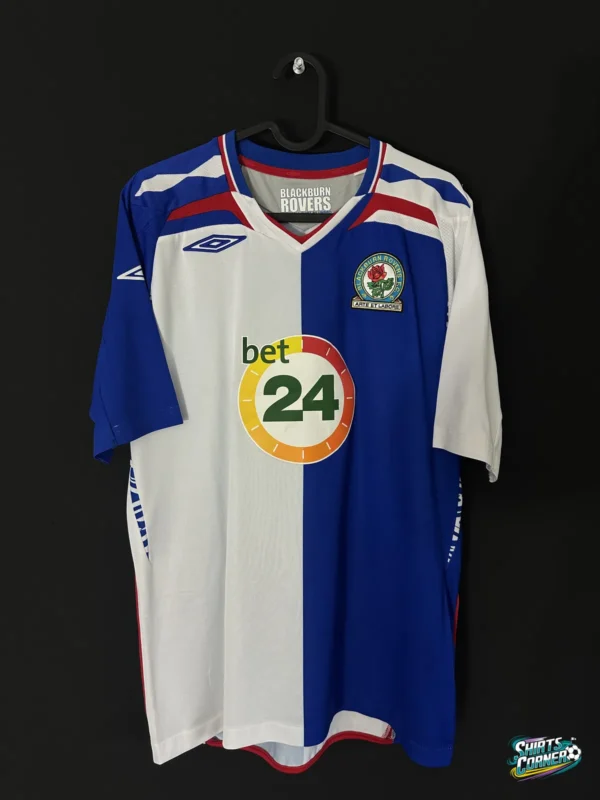 Blackburn Rovers 2007/08 Home Shirt Umbro229 zł
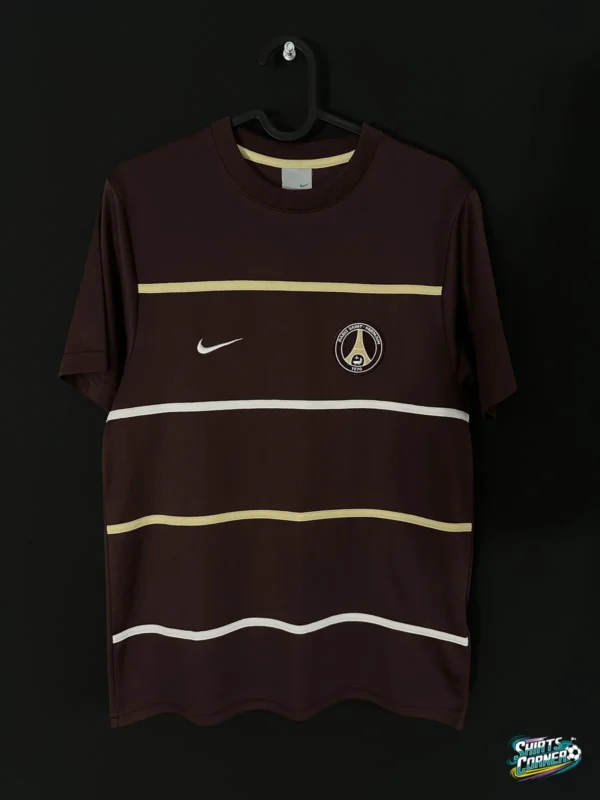 Paris Saint-Germain 2006/07 Training Shirt Nike199 zł
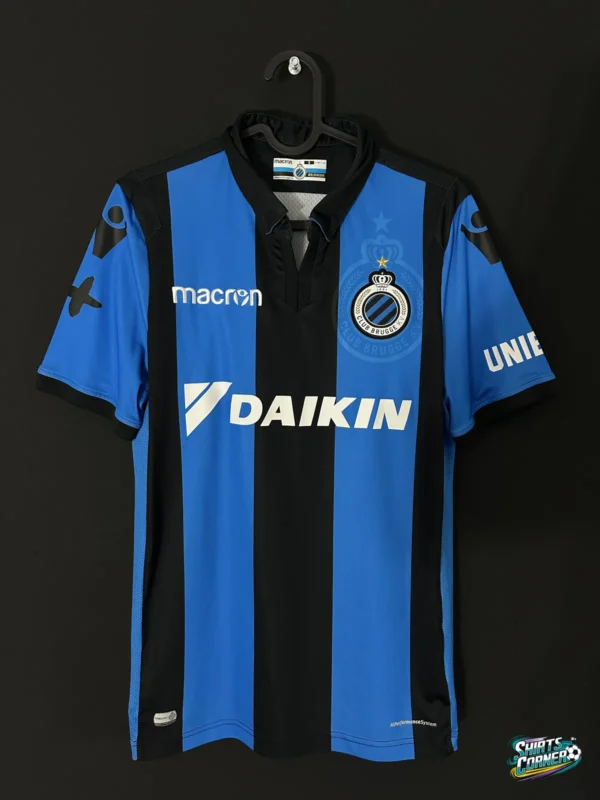 Club Brugge 2018/19 Home Shirt Macron199 zł
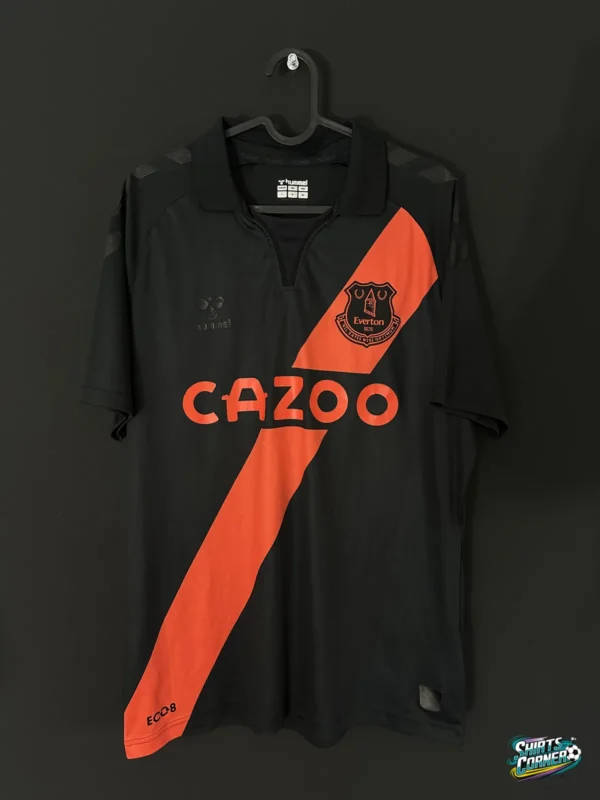 Everton FC 2021/22 Away Shirt hummel179 zł
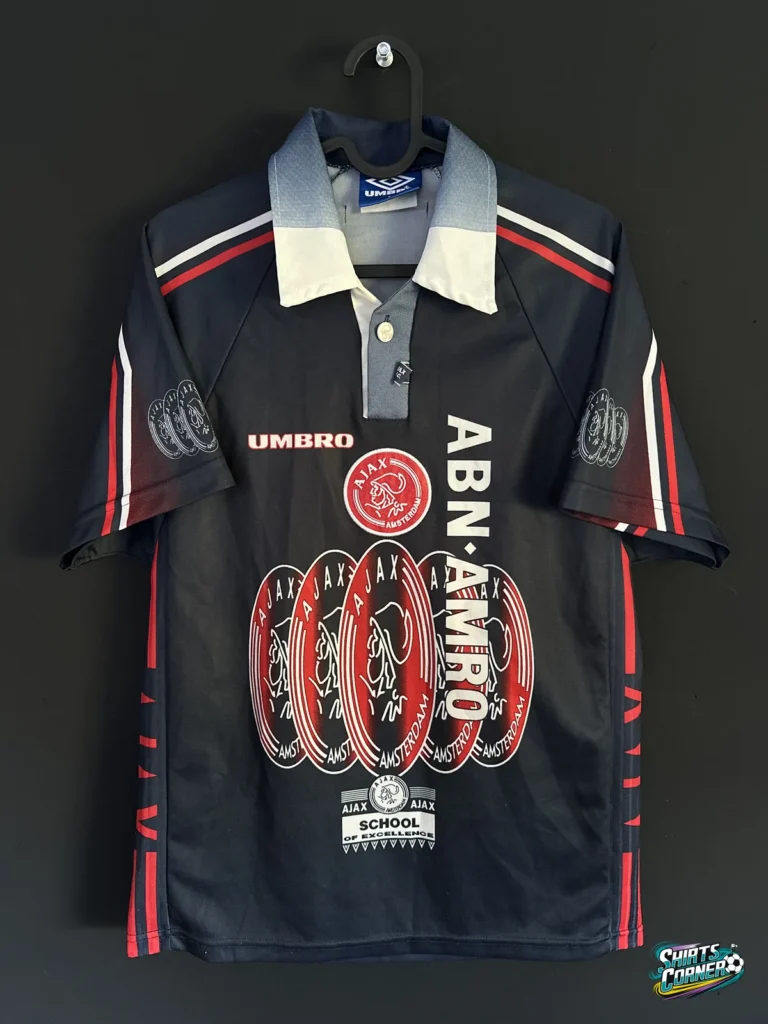
A white shirt with a single broad red stripe down the middle is Ajax's calling card. The design is more than a century old, and it was born out of a very practical problem: when Ajax won promotion to the top division, the shirt they were wearing already belonged to someone else. This is how the club ended up in white and red, the three seasons it spent in borrowed Arsenal shirts, and what happened to the kit in the 1990s, the decade our away shirt comes from.
Ajax was founded in Amsterdam in March 1900. The first team played in black with red touches, mostly red ribbons tied around the waist or the neck, a nod to the colours of the Amsterdam coat of arms. The club soon moved to vertical red and white stripes, a look that today belongs to a different club altogether.
In 1911 Ajax went up to the top flight and ran straight into Sparta Rotterdam. Sparta were the older club, had been wearing red and white stripes for years, and two teams in the same league could not turn out in identical shirts. Ajax had to give way.
The answer was a white shirt with one wide red stripe through the centre. It has been the home shirt since the 1911/12 season. The width of the stripe has changed over the years, the idea never has, and more than a hundred years on it is one of the most recognisable club shirts in the Netherlands.
The strangest chapter comes right after the Second World War. From 1946 to 1949 Ajax played in red shirts with white sleeves, borrowed from Arsenal through goalkeeper Gerrit Keizer, who had kept goal in London before the war. The fans never warmed to them, but the shirts were worn out rather than thrown away before the white and red returned.
Change came slowly, because the club protected its white. A manufacturer's logo first appeared in 1972, in the European Cup final against Inter, and a season later the crest moved to the centre of the chest. The first shirt sponsor was TDK in 1982/83, a decision that split the supporters.
In 1991 Ajax introduced a new, more modern crest, and the bank ABN AMRO arrived as main sponsor. From 1991/92 the bank's name ran vertically along the shirt, which is still one of the most recognisable Ajax details of the decade. In 1997/98 every player was given a fixed squad number for the whole season. adidas has made the shirts since 2000/01.
Away from home Ajax did not have to stick to white, and Umbro made the most of it in the 1990s. Our 1997/98 away shirt is navy with a band of overlapping Ajax crests across the chest. ABN AMRO runs vertically just like on the home shirt, the polo collar has a button stamped with the crest, the shoulders carry red and white stripes, and red side panels spell out AJAX. The label says Made in England.
It was a good year in Amsterdam. Morten Olsen's side won the league by 17 points and lifted the Dutch Cup with a 5-0 final win over PSV. If you are wondering why orange means the Netherlands while Ajax stays white and red, we explained that in Why the Netherlands wear orange: the story behind the shirt.
All our Ajax shirts are in the Ajax shirts category, and more from the same decade under 90s football shirts.
Because after promotion in 1911 they could no longer wear vertical red and white stripes, which Sparta Rotterdam already used. Ajax switched to a white shirt with one broad red stripe and have kept it ever since.
At the very start, black with red ribbons, then vertical red and white stripes. After the war, from 1946 to 1949, they wore red shirts with white sleeves borrowed from Arsenal.
In 1982/83, with TDK. ABN AMRO took over in 1991, and from 1991/92 its name ran vertically along the shirt.


